Table of Contents
Introduction
Learning how to increase ecommerce sales is one of the biggest challenges faced by online store owners today. With growing competition, rising ad costs, and changing customer behavior, simply launching an ecommerce store is no longer enough. Sustainable growth requires a clear strategy that focuses on customer experience, data-driven decisions, and long-term value creation.
Increasing ecommerce sales is not about quick tricks or shortcuts. It is about understanding how customers think, how they shop online, and what motivates them to buy. This guide breaks down proven methods that help ecommerce businesses grow sales consistently and profitably.
Understanding Ecommerce Sales Growth
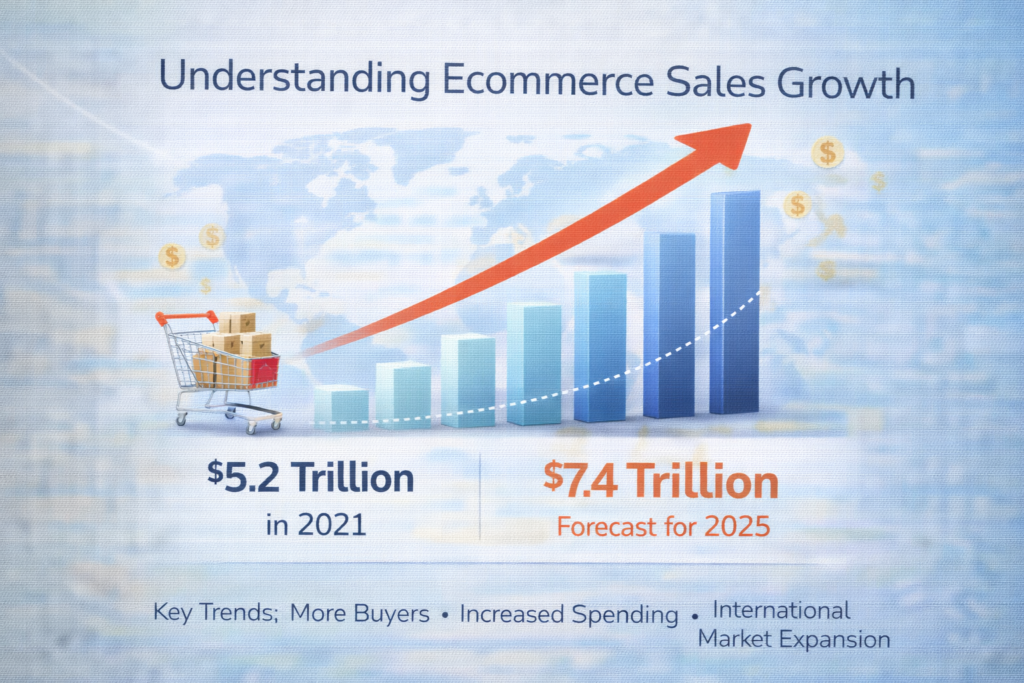
Before applying tactics, it is important to understand what ecommerce sales growth really means. Sales growth is not only about increasing traffic; it is about converting visitors into customers and encouraging them to buy more often.
To truly understand how to increase ecommerce sales, store owners must focus on three core elements: traffic quality, conversion rate, and average order value. Improving even one of these areas can significantly increase revenue without increasing overall costs.
Know Your Target Customer
One of the most overlooked factors in ecommerce growth is customer understanding. Stores that try to sell to everyone often end up selling to no one. Knowing your target customer helps you tailor products, messaging, and offers that resonate.
Understanding customer pain points, preferences, and buying behavior allows you to position your store as the right solution. Ecommerce sales increase naturally when customers feel understood and confident in their buying decision.
Optimize Your Product Pages
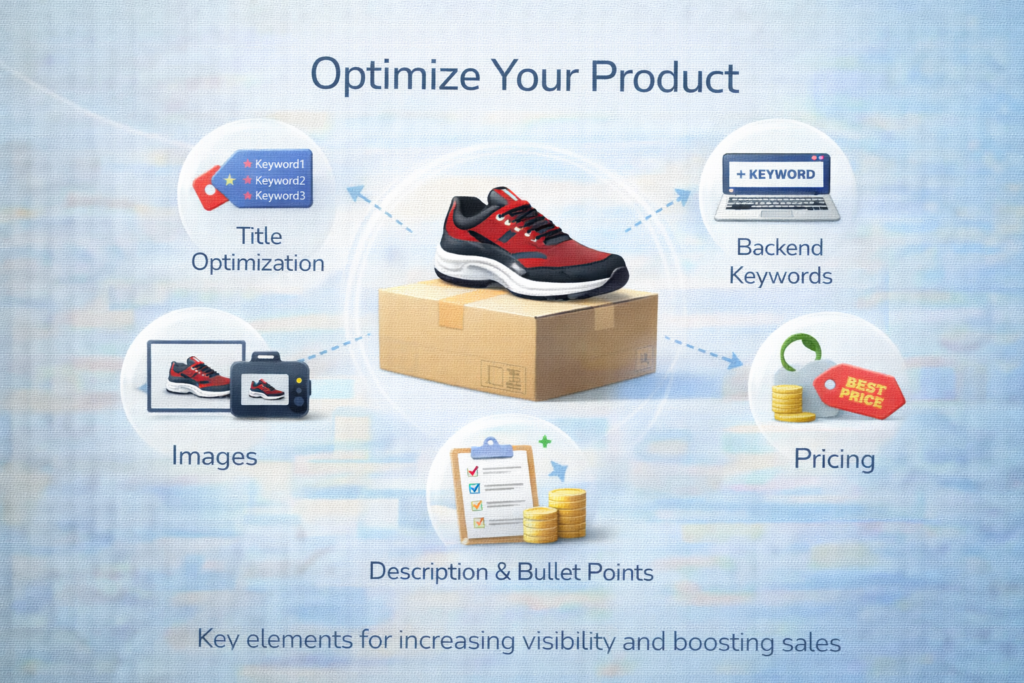
Product pages play a critical role in converting visitors into buyers. A well-optimized product page clearly explains the product’s benefits, usage, and value. Customers should immediately understand what the product does and why they need it.
High-quality images, clear descriptions, pricing transparency, and trust signals all contribute to better performance. Improving product pages is one of the fastest ways to learn how to increase ecommerce sales without additional marketing spend.
Improve Website Speed and Performance
Website performance has a direct impact on sales. Slow-loading pages frustrate users and increase bounce rates. Customers expect fast and smooth experiences, especially on mobile devices.
Improving load times, simplifying design, and ensuring mobile responsiveness significantly improve user experience. Better performance leads to higher engagement and stronger conversion rates.
Build Trust and Credibility
Trust is a major factor in online buying decisions. Customers hesitate to purchase from stores that appear unprofessional or unreliable. Clear policies, secure payment options, and transparent communication build confidence.
Customer reviews, testimonials, and real images help reduce hesitation. When trust increases, conversion rates rise, directly impacting ecommerce sales.
Pricing Strategy and Perceived Value
Pricing is not just about being cheap. Customers look for value, not the lowest price. Strategic pricing helps position products correctly and influences buying behavior.
Discounts, bundles, and limited-time offers can increase urgency, but overusing discounts can hurt brand perception. A balanced pricing strategy is essential when learning how to increase ecommerce sales sustainably.
Traffic Quality Over Traffic Quantity
More traffic does not always mean more sales. Low-quality traffic often leads to high bounce rates and poor conversions. Instead of focusing on volume, successful ecommerce stores focus on attracting the right audience.
Targeted traffic from search intent, social proof, and referrals converts better. High-quality traffic combined with strong product pages creates consistent sales growth.
Use Data to Drive Decisions
Ecommerce growth should be guided by data, not assumptions. Analyzing visitor behavior, conversion paths, and drop-off points reveals where improvements are needed.
Data helps identify what works and what doesn’t. Stores that rely on analytics understand how to increase ecommerce sales more effectively than those who guess.
Reduce Friction in the Buying Process
Every extra step in the checkout process increases the chance of cart abandonment. Simplifying checkout, offering multiple payment options, and reducing distractions improves completion rates.
Clear shipping information and transparent costs reduce last-minute hesitation. A smooth checkout experience is essential for maximizing ecommerce sales.
Use Targeted Marketing to Increase Ecommerce Sales
Marketing plays a central role in learning how to increase ecommerce sales, but not all marketing delivers results. The key is targeting the right audience with the right message at the right time. Broad, untargeted marketing often wastes budget and brings visitors who are not ready to buy.
Targeted marketing focuses on customer intent. Search-based traffic, remarketing campaigns, and audience-specific ads bring users who already show interest. When traffic quality improves, conversion rates naturally increase, leading to higher ecommerce sales without excessive spending.
Content Marketing That Drives Buying Decisions
Content marketing is not just about traffic—it is about trust and education. Informative blogs, buying guides, videos, and FAQs help customers understand products before purchasing. When customers feel informed, they are more confident in their decision.
Educational content answers objections before they arise. This approach reduces hesitation and increases conversions. Ecommerce stores that invest in content marketing often see long-term sales growth and reduced dependence on paid advertising.
Email Marketing for Consistent Sales Growth
Email marketing remains one of the most effective ways to increase ecommerce sales. It allows direct communication with customers who already know your brand. Welcome emails, abandoned cart reminders, product recommendations, and follow-up emails help recover lost sales and encourage repeat purchases.
Personalized emails perform significantly better than generic messages. Addressing customer needs, preferences, and past behavior increases engagement and sales. Email marketing is especially powerful because it generates revenue without ongoing ad costs.
Upselling and Cross-Selling to Increase Revenue
Increasing ecommerce sales does not always require new customers. Upselling and cross-selling encourage existing customers to spend more per order. Simple suggestions such as upgrades, bundles, or complementary products increase average order value.
These strategies work best when they feel helpful rather than pushy. Relevant recommendations enhance the shopping experience and add value. Over time, small increases in order value can lead to significant revenue growth.
Optimize the Checkout Experience
Checkout optimization is one of the fastest ways to increase ecommerce sales. A complicated or confusing checkout process leads to cart abandonment. Reducing steps, simplifying forms, and offering guest checkout improve completion rates.
Multiple payment options and transparent pricing reduce friction. When customers feel comfortable and informed, they are more likely to complete their purchase.
Use Social Proof to Boost Conversions
Social proof plays a powerful role in online buying behavior. Reviews, ratings, testimonials, and user-generated content build trust and credibility. Customers are more likely to buy when they see others have had positive experiences.
Highlighting reviews on product pages, showcasing customer photos, and sharing success stories increase confidence. Strong social proof directly impacts conversion rates and helps increase ecommerce sales.
Retargeting to Recover Lost Visitors
Not every visitor will buy on the first visit. Retargeting allows you to re-engage users who showed interest but did not complete a purchase. This strategy is highly effective because it targets warm audiences.
Retargeting ads remind customers of products they viewed, reinforcing interest. Combined with strong messaging and incentives, retargeting significantly improves sales performance.
Personalization Improves Customer Experience
Personalization helps ecommerce stores stand out in competitive markets. Showing personalized product recommendations, offers, and content based on user behavior improves relevance.
Customers respond positively when experiences feel tailored to them. Personalization increases engagement, conversions, and long-term loyalty—key factors in how to increase ecommerce sales sustainably.
Mobile Optimization Is Essential
A large portion of ecommerce traffic comes from mobile devices. Poor mobile experiences lead to lost sales. Mobile optimization includes responsive design, fast load times, and easy navigation.
Mobile-friendly checkout and payment options are critical. Stores that prioritize mobile users capture more sales and reduce bounce rates.
Measure and Improve Conversion Metrics
Conversion optimization is an ongoing process. Tracking metrics such as conversion rate, average order value, and customer lifetime value helps identify growth opportunities.
Regular testing and optimization lead to continuous improvement. Stores that consistently analyze performance understand how to increase ecommerce sales more effectively than those that rely on guesswork.
Focus on Customer Retention to Increase Ecommerce Sales
One of the most effective yet underestimated ways to understand how to increase ecommerce sales is by focusing on customer retention. Acquiring new customers is expensive, while retaining existing customers is significantly more cost-effective. Repeat customers are more likely to trust your brand, spend more per order, and recommend your store to others.
Retention strategies include follow-up emails, loyalty programs, exclusive discounts, and excellent post-purchase support. When customers feel valued after the sale, they are far more likely to return. Over time, retention becomes a major driver of predictable and stable ecommerce revenue.
Build Loyalty Programs That Encourage Repeat Purchases
Loyalty programs reward customers for repeat purchases and long-term engagement. These programs create emotional attachment and give customers a reason to choose your store over competitors.
Points-based systems, referral rewards, and exclusive member benefits are simple but powerful tools. Loyalty-driven customers not only buy more frequently but also become brand advocates, helping increase ecommerce sales organically.
Automation to Scale Ecommerce Sales Efficiently
As ecommerce stores grow, manual processes become inefficient. Automation allows businesses to scale without increasing workload or operational costs. Automated email flows, inventory updates, order tracking, and customer support improve efficiency and consistency.
Automation ensures timely communication with customers, reduces errors, and improves overall experience. Stores that automate key processes are better positioned to scale sales without losing quality or control.
Use Analytics to Make Smarter Decisions
Understanding how to increase ecommerce sales requires continuous measurement and optimization. Analytics provide insight into customer behavior, traffic sources, conversion rates, and drop-off points.
By analyzing data, store owners can identify what drives sales and what creates friction. Data-driven decisions reduce guesswork and lead to consistent improvement. Stores that track and act on analytics outperform those that rely on intuition alone.
Optimize for Customer Lifetime Value (CLV)
Instead of focusing only on individual transactions, successful ecommerce businesses focus on customer lifetime value. CLV measures the total revenue a customer generates over time.
Strategies such as personalized recommendations, subscriptions, and post-purchase engagement increase CLV. When CLV increases, overall ecommerce sales grow even without increasing traffic.
Expand Sales Channels Strategically
Relying on a single channel limits growth. Expanding to multiple channels—such as marketplaces, social commerce, or email—reduces risk and increases reach.
However, expansion should be strategic. Each channel should align with your audience and brand. Multi-channel presence strengthens visibility and supports long-term sales growth.
Build a Strong Brand for Long-Term Growth
Branding plays a crucial role in ecommerce success. Customers are more likely to buy from brands they recognize and trust. Consistent visuals, messaging, and values build familiarity and confidence.
A strong brand allows premium pricing, reduces reliance on discounts, and improves retention. Over time, branding becomes one of the most powerful answers to how to increase ecommerce sales sustainably.
Common Scaling Mistakes to Avoid
Many ecommerce stores struggle because they scale too fast without proper systems. Increasing ad spend without conversion optimization, ignoring customer support, or neglecting cash flow planning can harm growth.
Another common mistake is focusing only on acquisition while ignoring retention. Balanced growth strategies always outperform short-term tactics.
Frequently Asked Questions (FAQs)
How long does it take to increase ecommerce sales?
Results vary based on strategy and execution. Some improvements show results within weeks, while long-term growth typically takes months of consistent optimization.
Is traffic or conversion rate more important?
Both matter, but conversion rate optimization often delivers faster results. Improving conversions increases sales without increasing traffic costs.
Do discounts always increase ecommerce sales?
Discounts can boost short-term sales but overuse can hurt brand value. Value-based pricing and bundling often perform better long-term.
How important is mobile optimization?
Extremely important. A large percentage of ecommerce sales come from mobile users. Poor mobile experience directly reduces sales.
Can small ecommerce stores compete with big brands?
Yes. Small stores can compete by focusing on niche markets, personalized experiences, and strong customer relationships.
Is email marketing still effective for ecommerce sales?
Yes. Email marketing remains one of the highest ROI channels for ecommerce when personalized and used strategically.
Final Extended Conclusion (With External & Internal Dofollow Links)
Understanding how to increase ecommerce sales requires more than isolated tactics—it demands a holistic, long-term approach. Sales growth comes from combining customer understanding, optimized experiences, smart marketing, and continuous improvement. Ecommerce businesses that focus on trust, value, and relationships consistently outperform those chasing short-term gains.
Industry insights confirm this approach. According to Shopify’s ecommerce research, stores that invest in customer experience, retention, and data-driven optimization achieve stronger and more sustainable growth (external dofollow link:
https://www.shopify.com/blog/ecommerce-marketing).
Similarly, BigCommerce highlights that ecommerce brands focusing on personalization, retention, and automation see higher lifetime value and repeat sales (external dofollow link:
https://www.bigcommerce.com/articles/ecommerce/). These insights reinforce that long-term thinking is essential for ecommerce success.
For readers looking to deepen their ecommerce knowledge, product optimization strategies, and growth frameworks, explore our detailed ecommerce guides and resources (internal dofollow link example:
https://rankifycontent.com/ecommerce-growth-strategies).
In conclusion, how to increase ecommerce sales is not about one tactic—it is about building a system that attracts, converts, and retains customers consistently. With the right strategy, patience, and optimization, ecommerce sales growth becomes predictable, scalable, and sustainable.