Table of Contents
Introduction: Why Web Products Matter for Businesses in 2026
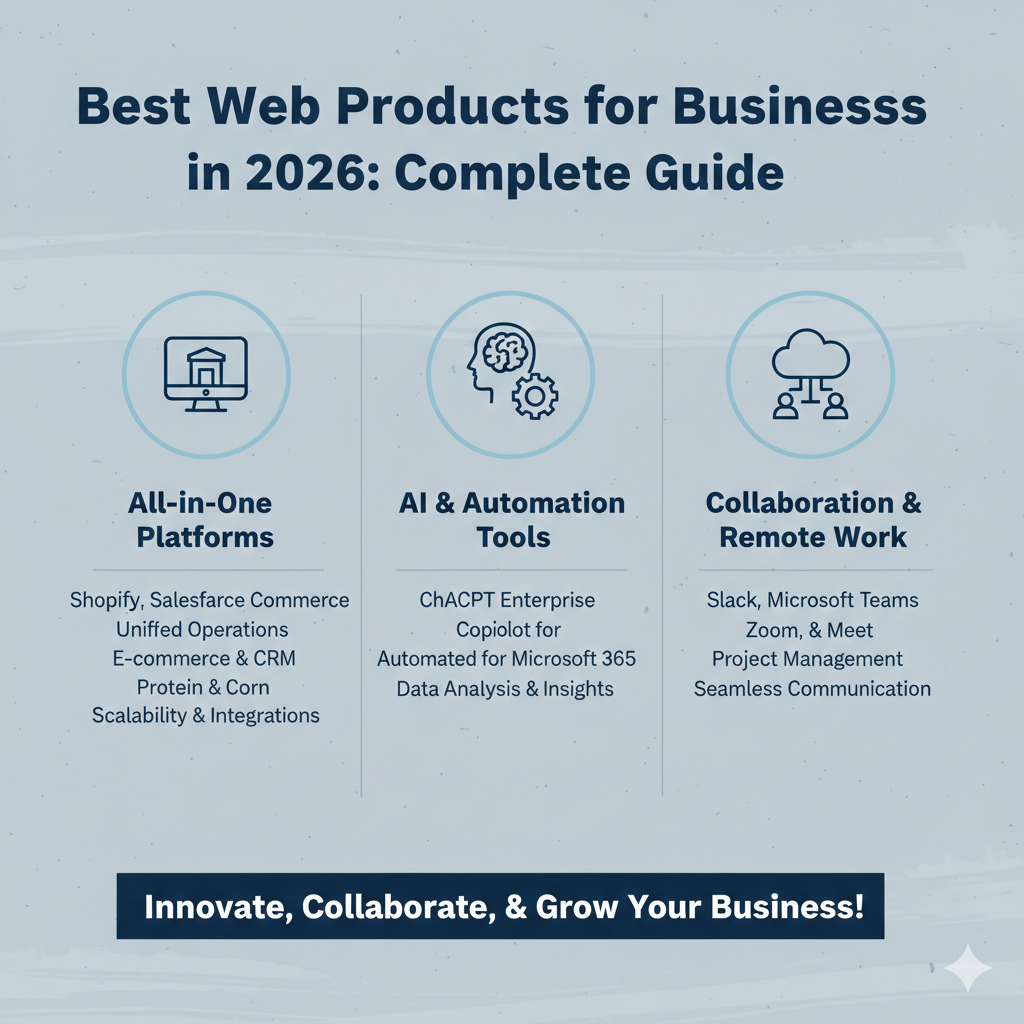
In 2026, businesses no longer depend solely on physical infrastructure or offline software. Instead, web products have become the driving force behind productivity, scalability, and global reach. From startups to multinational corporations, organizations now rely on web-based tools to manage operations, communicate with customers, analyze data, and automate workflows.
A web product refers to any software, platform, or digital solution that runs through a web browser and is accessible via the internet. These products eliminate the need for heavy installations and offer real-time access from anywhere in the world. As remote work, cloud computing, and digital transformation accelerate, web products are becoming essential rather than optional.
This complete guide explores the best web products for businesses in 2026, their categories, benefits, and how organizations can choose the right solutions for long-term growth.
What Is a Web Product?
A web product is a digital application or service that operates online and is accessed through a web browser. Unlike traditional desktop software, web products do not require local installation and are typically hosted on cloud servers.
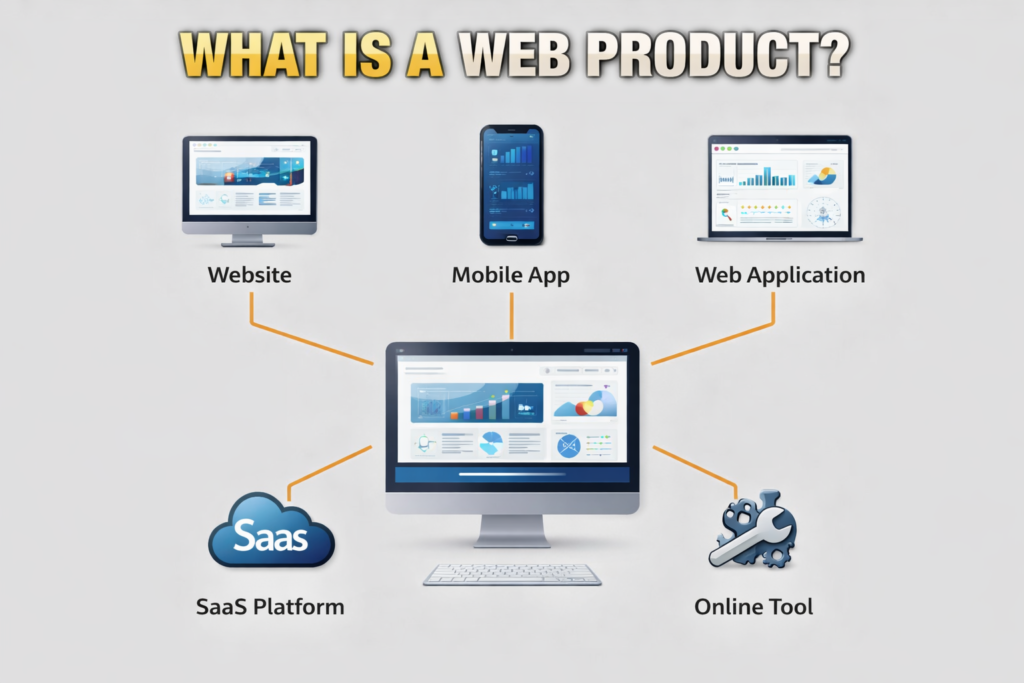
Examples of web products include:
- SaaS (Software as a Service) platforms
- Web-based CRM and ERP systems
- Online collaboration and communication tools
- Cloud accounting and finance software
Web products are designed to be scalable, flexible, and cost-effective, making them ideal for modern business environments.
Evolution of Web Products: From Simple Websites to Smart Platforms
Initially, web products were limited to static websites and basic online tools. Over time, advancements in cloud infrastructure, APIs, and artificial intelligence transformed them into powerful business platforms.
By 2026, modern web products:
- Integrate AI and automation
- Support real-time collaboration
- Offer high-level security and compliance
- Scale instantly based on business needs
This evolution allows businesses to operate faster while reducing IT maintenance costs.
Why Businesses Are Shifting to Web Products
The shift toward web products is driven by multiple strategic advantages.
Accessibility and Remote Work Enablement
Web products allow employees to work from anywhere without location-based restrictions. This flexibility supports remote and hybrid work models.
Lower Infrastructure Costs
Since web products are cloud-hosted, businesses save on hardware, maintenance, and IT staffing costs.
Automatic Updates and Scalability
Web products update automatically, ensuring businesses always use the latest features without downtime.
Data-Driven Decision Making
Modern web products offer analytics dashboards that help managers make informed decisions based on real-time data.
Core Categories of Web Products for Businesses
1. SaaS Web Products
SaaS is the most dominant category of web products in 2026. These platforms provide software functionality through monthly or yearly subscriptions.
Common SaaS web products include:
- Customer relationship management tools
- Accounting and finance software
- Marketing automation platforms
- Human resource management systems
Leading SaaS providers include Salesforce, HubSpot, and Zoho.
External DOFOLLOW links:
These platforms help businesses streamline operations without complex setups.
2. Cloud-Based Productivity Web Products
Productivity-focused web products improve teamwork and task execution. They are essential for distributed teams and fast-growing companies.
Key features include:
- Real-time collaboration
- Task and project tracking
- File sharing and version control
Such web products increase efficiency and reduce communication gaps.
3. Web Products for Digital Marketing
Digital marketing relies heavily on web products for campaign management, analytics, and customer engagement.
Examples include:
- Email marketing platforms
- SEO and analytics tools
- Social media management software
These web products help businesses reach targeted audiences and measure performance accurately.
Web Products vs Desktop Software: Key Differences
Businesses often compare web products with traditional desktop software. The difference lies in flexibility and scalability.
Web products:
- Are accessible from any device
- Require no manual updates
- Offer subscription-based pricing
Desktop software:
- Requires installation
- Limited to specific devices
- Needs manual updates
Due to these advantages, web products dominate modern business ecosystems.
Security and Reliability of Web Products
Security concerns were once a barrier to adopting web products. However, modern platforms now offer enterprise-grade protection.
Security features include:
- Data encryption
- Multi-factor authentication
- Regular security audits
Major cloud providers like Google, Microsoft, and Amazon Web Services provide secure infrastructure for web products.
External DOFOLLOW links:
Role of Web Products in Digital Transformation
Digital transformation depends heavily on web products. They enable automation, improve customer experiences, and support innovation.
Businesses using the right web products can:
- Scale globally
- Launch faster
- Reduce operational friction
This makes web products a core pillar of future-ready organizations.
Web Products for Business Operations & Management
Operational efficiency is the backbone of any successful organization. In 2026, businesses rely heavily on web products to manage daily operations, coordinate teams, and ensure smooth workflows. These web-based solutions replace manual processes with automated, centralized systems that save time and reduce errors.
Operations-focused web products are designed to integrate different departments, enabling real-time visibility into tasks, performance, and resources. This level of transparency helps management make faster and better decisions.
Project Management Web Products
Project management is one of the most widely adopted categories of web products. These platforms help teams plan, assign, track, and complete tasks efficiently, regardless of team size or location.
Key benefits include:
- Centralized task management
- Clear deadlines and responsibilities
- Real-time progress tracking
- Improved team accountability
Such web products are especially valuable for remote and hybrid teams, where coordination is critical for success.
Workflow Automation Web Products
Workflow automation web products eliminate repetitive manual tasks and streamline business processes. In 2026, automation is no longer a luxury—it is a necessity.
These web products allow businesses to:
- Automate approvals and notifications
- Reduce human error
- Improve process consistency
- Increase operational speed
By automating workflows, businesses free up employee time for strategic and creative work.
Web Products for Sales & Customer Relationship Management
Sales-driven organizations depend on web products to manage leads, track customer interactions, and improve conversion rates. CRM-based web products centralize customer data and provide valuable insights into buyer behavior.
CRM Web Products
CRM web products store and manage customer information in one place. They help businesses understand customer needs and personalize interactions.
Key advantages include:
- Centralized customer database
- Sales pipeline visibility
- Improved customer retention
- Better forecasting and reporting
CRM web products are essential for businesses aiming to build long-term customer relationships.
Sales Automation Web Products
Sales automation web products reduce manual sales tasks such as follow-ups, data entry, and reporting. These tools help sales teams focus on closing deals rather than administrative work.
Benefits include:
- Faster lead response times
- Improved sales productivity
- Consistent follow-up processes
In competitive markets, sales automation can significantly improve revenue performance.
Web Products for Digital Marketing & Growth
Marketing success in 2026 depends heavily on data, automation, and personalization. Web products designed for digital marketing enable businesses to plan campaigns, track performance, and optimize strategies in real time.
Email Marketing Web Products
Email marketing remains one of the highest ROI digital channels. Web-based email marketing products allow businesses to create, schedule, and analyze campaigns efficiently.
These web products help with:
- Audience segmentation
- Automated email sequences
- Performance analytics
- Personalization at scale
Email marketing web products are widely used by both small businesses and large enterprises.
SEO & Analytics Web Products
SEO and analytics web products provide insights into website performance, user behavior, and search visibility. These insights help businesses improve online presence and attract organic traffic.
Key features include:
- Keyword tracking
- Traffic analysis
- Conversion monitoring
- Competitor analysis
Such web products play a crucial role in long-term digital growth strategies.
Web Products for Finance & Accounting
Financial accuracy and transparency are critical for business stability. Web-based finance and accounting products simplify complex financial tasks and ensure compliance.
Accounting & Bookkeeping Web Products
Modern accounting web products automate invoicing, expense tracking, payroll, and tax calculations. They reduce reliance on manual spreadsheets and minimize errors.
Benefits include:
- Real-time financial reporting
- Improved cash flow management
- Simplified tax compliance
These web products are especially beneficial for startups and SMEs with limited finance teams.
Payment & Billing Web Products
Payment processing web products enable businesses to accept online payments securely and efficiently. They support multiple payment methods and currencies, making global transactions easier.
Advantages include:
- Secure online payments
- Automated billing and invoicing
- Faster transaction processing
Reliable payment web products improve customer trust and operational efficiency.
Web Products for Human Resources (HR)
HR departments increasingly rely on web products to manage employees, recruitment, and compliance. In 2026, HR web products are designed to support remote workforces and diverse teams.
HR Management Web Products
HR management web products centralize employee data, attendance, performance reviews, and benefits management.
Key benefits:
- Streamlined HR processes
- Improved employee experience
- Better compliance management
These web products reduce administrative burden and improve workforce management.
Recruitment & Talent Management Web Products
Recruitment-focused web products help businesses attract, evaluate, and hire talent efficiently.
They offer:
- Job posting management
- Applicant tracking systems
- Interview scheduling
- Performance analytics
Talent-focused web products are essential in competitive job markets.
Web Products for Customer Support & Service
Customer experience is a major differentiator in 2026. Web products for customer support help businesses deliver fast, consistent, and personalized service.
Helpdesk & Support Web Products
Support web products manage customer queries across multiple channels, including email, chat, and social media.
Benefits include:
- Faster response times
- Centralized ticket management
- Improved customer satisfaction
These web products help businesses maintain strong customer relationships.
Integrating Web Products Across Departments
One of the biggest advantages of modern web products is integration. When sales, marketing, finance, and HR tools work together, businesses gain a unified view of operations.
Integrated web products:
- Reduce data silos
- Improve collaboration
- Enhance decision-making
Integration is a key factor when selecting web products for long-term use.
How to Choose the Right Web Products for Your Business?
Selecting the right web products requires a clear understanding of business needs, scalability, and long-term value. Many organizations fail not because technology is weak, but because the selected tools do not align with operational goals. Businesses that follow a structured selection process are more likely to succeed with digital adoption.
For a deeper understanding of how modern tools support organizational efficiency and growth, businesses can also explore this detailed internal guide on digital tools and platforms:
👉 https://rankifycontent.com/digital-buBlogssiness-tools
This internal resource helps decision-makers evaluate web products based on real business use cases rather than assumptions.
Step 1: Clearly Define Business Goals
Before investing in any web product, businesses should identify:
- The problem they want to solve
- The teams that will use the product
- The measurable outcomes they expect
For example, a growing sales team may prioritize CRM and sales automation web products, while a remote workforce may focus on collaboration and productivity platforms.
Step 2: Evaluate Usability and User Experience
Even the most powerful web product fails if employees struggle to use it. In 2026, usability is a critical success factor.
Businesses should consider:
- Intuitive dashboards
- Minimal learning curve
- Mobile and cross-device compatibility
User-friendly web products increase adoption rates and maximize return on investment.
Step 3: Security, Privacy & Compliance
With increasing cyber threats and data regulations, security is non-negotiable. Businesses must ensure web products meet modern security standards.
Key security aspects include:
- Data encryption
- Role-based access control
- Compliance with data protection laws
Reputable providers such as Google, Microsoft, and Amazon Web Services offer secure infrastructure for web products.
Step 4: Integration & Scalability
Modern businesses use multiple tools. The best web products integrate easily with existing systems and scale as the business grows.
Scalable web products:
- Support APIs and third-party integrations
- Handle increasing users and data
- Adapt to changing business needs
This flexibility prevents frequent software replacements and reduces long-term costs.
Step 5: Cost Structure & ROI Analysis
Web products often follow subscription-based pricing models. Businesses should evaluate:
- Monthly or annual costs
- Hidden fees
- Long-term ROI
The cheapest option is not always the best. High-quality web products deliver value through efficiency, automation, and growth enablement.
Future Trends in Web Products (2026 and Beyond)
The web product ecosystem continues to evolve rapidly. Businesses that understand future trends can stay ahead of competitors.
AI-Powered Web Products
Artificial intelligence is becoming a core feature of modern web products. AI-driven platforms can:
- Analyze customer behavior
- Automate repetitive tasks
- Provide predictive insights
AI-powered web products help businesses make faster and smarter decisions with less manual effort.
Automation & No-Code / Low-Code Platforms
No-code and low-code web products allow non-technical users to build workflows, apps, and integrations.
Benefits include:
- Faster deployment
- Reduced development costs
- Increased innovation across teams
Automation-focused web products are reshaping how businesses operate internally.
SaaS Dominance & Subscription Economy
SaaS-based web products will continue to dominate in 2026. Businesses prefer SaaS because it offers:
- Flexibility
- Continuous updates
- Predictable costs
This model supports rapid scaling without heavy infrastructure investment.
Customer-Centric Web Products
Future web products will focus more on personalization and customer experience. Data-driven insights enable businesses to deliver tailored solutions that improve satisfaction and retention.
Common Mistakes Businesses Make with Web Products
Despite the benefits, many organizations misuse or misselect web products.
Mistake 1: Buying Too Many Tools
Using too many disconnected web products creates complexity and confusion.
Mistake 2: Ignoring Training & Change Management
Employees need proper onboarding to fully utilize web products.
Mistake 3: Short-Term Thinking
Choosing web products without considering future growth often leads to re-investment and disruption.
Avoiding these mistakes ensures sustainable digital transformation.
Role of Web Products in Long-Term Digital Strategy (Updated)
Web products are not isolated solutions; they form the foundation of a long-term digital strategy. When integrated correctly, they help businesses improve agility, reduce costs, and enhance customer experience across all touchpoints.
Organizations that want to build a sustainable digital ecosystem should align web products with broader technology planning. A well-structured overview of business-oriented software and platforms can be found here:
👉 https://rankifycontent.com/business-software-solutions
Such internal content strengthens strategic clarity and helps businesses avoid fragmented tool adoption.
FAQs: Best Web Products for Businesses
What are web products?
Web products are online software applications or platforms accessed through a web browser to support business operations.
Are web products suitable for small businesses?
Yes. Many web products are designed specifically for startups and SMEs with affordable pricing and easy setup.
How often should businesses review their web products?
Businesses should review their web product stack annually to ensure relevance, security, and efficiency.
Are web products secure?
Modern web products use advanced encryption, authentication, and compliance measures to protect data.
Final Conclusion: Web Products as a Growth Engine in 2026
In 2026, web products are no longer optional tools—they are essential growth enablers for businesses of all sizes. From operations and marketing to finance, HR, and customer support, web products help organizations scale efficiently, automate processes, and make data-driven decisions in real time.
However, real success comes from choosing the right mix of web products, not from using too many tools. Businesses that focus on integration, security, usability, and long-term ROI gain a strong competitive advantage. To further understand how businesses can leverage technology for sustainable growth, readers can explore this in-depth internal resource on business technology planning:
👉 https://rankifycontent.com/business-technology-guide
Additionally, companies looking to strengthen their digital foundations can benefit from insights shared in this comprehensive guide on modern web and software solutions:
👉 https://rankifycontent.com/business-software-solutions
Ultimately, organizations that treat web products as strategic assets rather than short-term expenses will be better positioned to innovate, adapt, and lead in the digital economy of 2026 and beyond.