Table of Contents
Introduction to Coyote Hunting Products
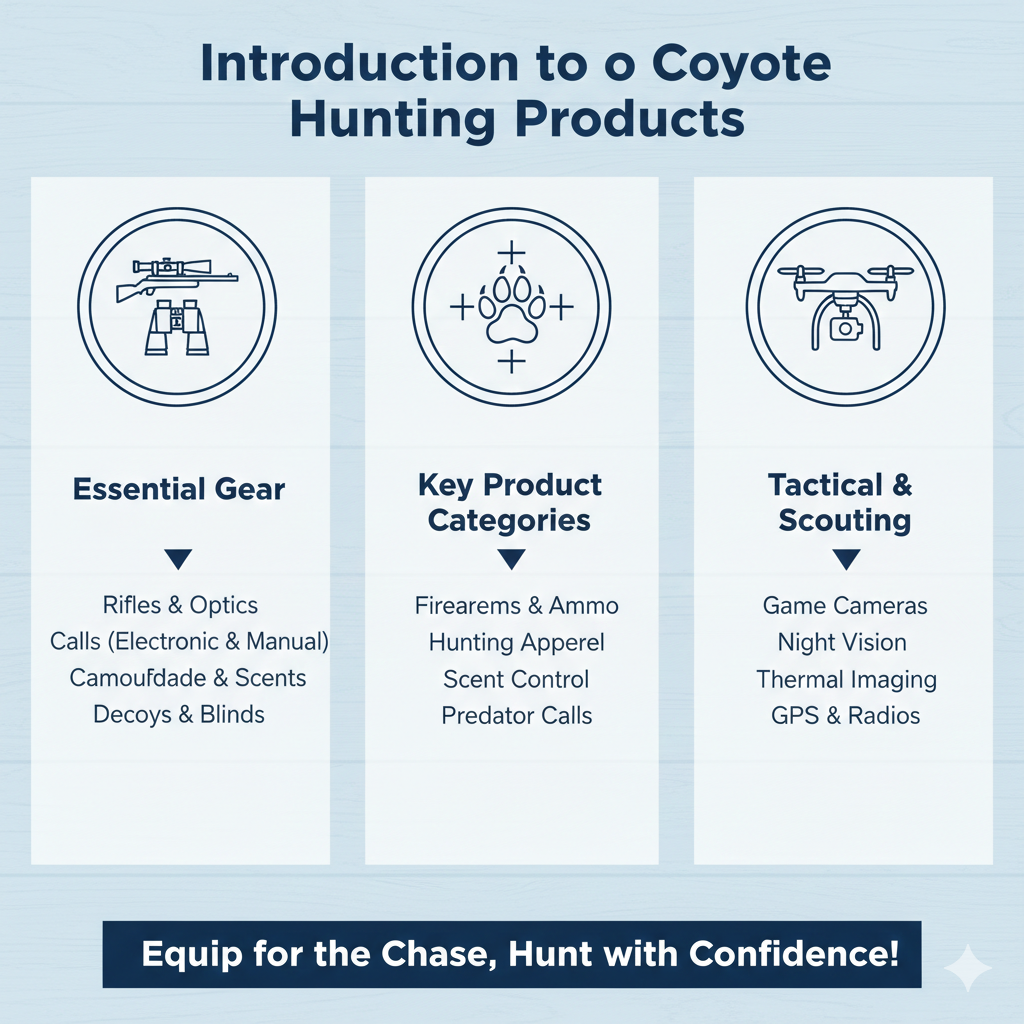
Coyote hunting products have gained significant attention in recent years due to increasing concerns around predator management, livestock protection, and ecological balance. Coyotes are highly adaptable predators found across vast regions, and unmanaged populations can sometimes disrupt farming operations and local wildlife ecosystems. As a result, landowners, ranchers, and wildlife managers increasingly rely on specialized coyote hunting products to monitor, control, and manage predator activity responsibly.
Unlike traditional hunting gear, modern coyote hunting products focus on ethical population control, observation, and long-term wildlife management rather than aggressive or uncontrolled hunting practices. This shift aligns with modern conservation standards and legal frameworks across many regions.
Understanding the Role of Coyotes in the Ecosystem
Before exploring coyote hunting products, it is important to understand the ecological role coyotes play. Coyotes help regulate populations of smaller animals such as rodents and rabbits, contributing to ecosystem balance. However, when coyote populations grow unchecked near agricultural or residential areas, conflicts can arise.
Ethical predator management aims to maintain balance rather than eliminate species. Coyote hunting products are designed to support this balanced approach by offering controlled, targeted, and regulated solutions.
Why Coyote Hunting Products Are Different from General Hunting Gear

Coyote hunting products differ significantly from general hunting equipment. While traditional hunting tools often focus on recreational use, predator-specific products are designed with behavioral patterns, intelligence, and adaptability of coyotes in mind.
These products emphasize:
- Precision and control
- Monitoring and observation
- Ethical and legal compliance
- Long-term land management goals
This makes them suitable not only for hunters but also for ranchers and wildlife professionals.
Market Growth of Coyote Hunting Products
The demand for coyote hunting products has increased due to rising awareness of wildlife management and predator control challenges. Advancements in technology have also played a role, enabling better monitoring, automation, and durability.
Manufacturers now design products that are more reliable, weather-resistant, and aligned with conservation-focused strategies. This evolution reflects a broader trend in the outdoor equipment industry toward sustainability and responsibility.
Core Categories of Coyote Hunting Products
Understanding the main categories helps buyers make informed decisions. Below are the most common types of coyote hunting products used today.
Predator Monitoring and Observation Tools
Monitoring tools are among the most widely used coyote hunting products. These include motion-activated cameras and tracking systems that allow landowners to observe coyote movement patterns without direct interference.
Such tools help identify high-activity zones and determine whether intervention is necessary. Observation-first strategies reduce unnecessary harm and support ethical management practices.
Feeding and Attraction Equipment for Predator Control
Controlled feeding and attraction equipment is sometimes used to guide predator movement rather than encourage dependency. These tools must be used carefully and in accordance with wildlife regulations.
Brands involved in wildlife management equipment, such as Texas-based manufacturers known for durable outdoor systems, emphasize controlled use rather than excessive attraction. Educational guidance on responsible wildlife feeding can be explored through conservation organizations like the National Deer Alliance:
👉 https://www.nationaldeeralliance.com
Scent and Lure Management Products
Scent-based coyote hunting products are designed to leverage natural predator instincts. These products are commonly used for monitoring, controlled attraction, or population studies rather than indiscriminate hunting.
Responsible use of scent products requires understanding wind patterns, terrain, and local wildlife laws. Ethical application is always prioritized in modern predator management.
Protective Gear and Safety Equipment
Safety-focused products form an important category within coyote hunting products. These include protective clothing, visibility gear, and equipment designed to ensure human safety during wildlife management activities.
Professional wildlife managers often stress safety as a non-negotiable element of predator control efforts.
Legal and Ethical Considerations When Using Coyote Hunting Products
One of the most critical aspects of using coyote hunting products is legal compliance. Laws governing predator control vary by region, and users must always follow local wildlife regulations.
Ethical considerations are equally important. Responsible predator management prioritizes:
- Minimizing unnecessary harm
- Avoiding ecosystem disruption
- Supporting long-term balance
Many landowners choose educational resources and structured product research before making decisions. This internal guide explains how niche outdoor products are evaluated responsibly:
👉 https://rankifycontent.com/niche-product-research
Importance of Research Before Purchasing Coyote Hunting Products
Purchasing coyote hunting products without research can lead to ineffective results or legal complications. Buyers should consider durability, ethical design, maintenance needs, and long-term value.
Evolution of Coyote Hunting Products in Modern Wildlife Management
Over the past decade, coyote hunting products have evolved significantly as wildlife management shifted toward ethical and data-driven practices. Traditional methods that relied heavily on manual tracking have been replaced by advanced tools that emphasize observation, precision, and long-term planning.
This evolution reflects a broader understanding that predator control is not about elimination but balance. Modern coyote hunting products support this approach by allowing landowners to make informed decisions based on evidence rather than assumptions.
Role of Technology in Advanced Coyote Hunting Products
Technology now plays a central role in predator management. Many coyote hunting products integrate automation, remote monitoring, and data collection features that reduce human interference while improving effectiveness.
By minimizing direct interaction, these tools help maintain natural wildlife behavior and reduce unnecessary stress on animal populations.
Motion-Activated Monitoring Systems
One of the most impactful innovations in coyote hunting products is motion-activated monitoring equipment. These systems allow users to track predator movement patterns over time, identify active zones, and understand seasonal behavior.
Such insights enable targeted management strategies rather than random or excessive intervention. Monitoring systems also help landowners document activity for regulatory compliance and planning.
Remote Observation and Data-Driven Decisions
Remote observation tools empower landowners to make decisions based on real data. Instead of relying on sightings or assumptions, coyote hunting products equipped with monitoring technology provide verifiable information.
Data-driven approaches align closely with modern wildlife conservation principles and help prevent overuse of predator control measures.
Controlled Attraction Tools for Ethical Use
Controlled attraction is sometimes part of predator management strategies. Ethical coyote hunting products in this category are designed to guide movement rather than create dependency.
When used responsibly and in accordance with regulations, these tools can support population monitoring and targeted management without disrupting broader ecosystems.
Comparing Coyote Hunting Products with General Predator Equipment
Not all predator equipment is suitable for coyotes. Coyote hunting products are developed with the species’ intelligence, adaptability, and movement patterns in mind.
Generic predator tools often fail to account for these traits, leading to inefficient or counterproductive outcomes. Purpose-built products improve effectiveness while reducing environmental impact.
Use Cases: Ranchers and Livestock Protection
For ranchers, coyote hunting products play a vital role in protecting livestock. Predation can result in significant financial losses if unmanaged.
By using monitoring and controlled management tools, ranchers can identify high-risk areas and implement preventive measures rather than reactive solutions. This proactive approach supports both economic stability and ethical wildlife management.
Use Cases: Wildlife Professionals and Land Managers
Wildlife professionals use coyote hunting products for population studies, habitat assessments, and conservation planning. These tools help gather accurate data without disrupting natural behavior.
Professional use emphasizes observation and analysis, reinforcing the idea that predator management should be informed and measured.
Ethical Standards in Using Coyote Hunting Products
Ethics remain central to the responsible use of coyote hunting products. Ethical predator management prioritizes ecosystem balance, legality, and humane practices.
Organizations focused on wildlife conservation consistently stress the importance of regulated, ethical approaches. Resources from conservation-focused institutions like the National Deer Alliance offer valuable insights into responsible wildlife practices:
👉 https://www.nationaldeeralliance.com
Legal Compliance and Regional Regulations
Laws governing coyote hunting products vary by region. Users must remain informed about local regulations related to predator control, monitoring, and land use.
Failure to comply with regulations can result in legal consequences and undermine conservation efforts. Responsible users treat legal compliance as a core part of ethical management.
Evaluating Product Quality and Long-Term Value
High-quality coyote hunting products are designed for durability and long-term performance. Buyers should assess materials, weather resistance, maintenance needs, and manufacturer support.
This internal resource explains how niche outdoor products can be evaluated for long-term value and responsible use:
👉 https://rankifycontent.com/niche-product-research
Cost Considerations and Return on Investment
While premium coyote hunting products may have higher upfront costs, they often deliver better value over time due to reduced maintenance and longer lifespan.
Landowners who prioritize long-term planning tend to benefit most from investing in quality equipment rather than replacing low-cost alternatives frequently.
Integration of Coyote Hunting Products into Broader Management Plans
Effective predator management rarely relies on a single tool. Coyote hunting products work best when integrated into broader land and wildlife management strategies.
Combining monitoring, habitat improvement, and ethical intervention creates a balanced system that supports sustainable outcomes.
How to Choose the Right Coyote Hunting Products
Choosing the right coyote hunting products requires a thoughtful and informed approach. Not every tool is suitable for every environment, and improper selection can lead to ineffective management or legal complications. Buyers should consider land size, predator activity level, terrain type, and long-term wildlife goals before making a purchase.
Ethical predator management prioritizes observation and prevention over aggressive control. Products that support monitoring, controlled intervention, and minimal environmental disruption are generally the most responsible choice.
Understanding Your Land and Predator Activity
Before investing in coyote hunting products, landowners should assess how often coyotes appear, what areas they frequent, and whether they pose a real threat to livestock or wildlife balance. Many conflicts arise due to assumptions rather than actual data.
Monitoring tools help confirm whether predator control is necessary. This data-first approach reduces unnecessary intervention and supports ethical wildlife stewardship.
Short-Term Fixes vs Long-Term Predator Management
One of the most common mistakes is treating coyote control as a short-term issue. Low-quality or poorly selected coyote hunting products may appear cost-effective initially but often fail under real conditions.
Long-term management focuses on durable equipment, sustainable strategies, and regular evaluation. High-quality products designed for extended outdoor use tend to deliver better results and lower long-term costs.
Importance of Durability and Weather Resistance
Coyotes operate year-round in diverse weather conditions. Therefore, coyote hunting products must be able to withstand heat, rain, dust, and cold without frequent breakdowns.
Durability is not just a convenience—it directly impacts safety, reliability, and ethical use. Equipment failure can lead to unintended consequences, including environmental disruption or wasted resources.
Common Mistakes When Using Coyote Hunting Products
Despite good intentions, users often make avoidable mistakes when using coyote hunting products. Overuse, poor placement, and lack of monitoring are among the most frequent issues.
Another common error is ignoring local wildlife regulations. Even well-designed products must be used within legal boundaries to remain ethical and effective.
Avoiding Over-Attraction and Dependency
Over-attraction can disrupt natural predator behavior and negatively affect ecosystems. Ethical coyote hunting products are designed to guide movement and support monitoring, not create dependency.
Balanced use ensures predators remain part of the natural ecosystem rather than becoming conditioned to artificial patterns.
Role of Ethics and Conservation in Predator Control
Modern predator management increasingly emphasizes ethics and conservation. Coyote hunting products should align with these values by supporting controlled, humane, and regulated practices.
Organizations dedicated to wildlife balance consistently stress the importance of ethical predator management. Educational guidance from conservation-focused groups such as the National Deer Alliance reinforces responsible approaches to wildlife and habitat management:
👉 https://www.nationaldeeralliance.com
Future Trends in Coyote Hunting Products
The future of coyote hunting products is shaped by technology, sustainability, and conservation awareness. Manufacturers are increasingly focusing on smarter monitoring tools, improved automation, and environmentally responsible materials.
Rather than aggressive control methods, future products are expected to emphasize data-driven decision-making and long-term ecosystem health.
Technology and Automation in Predator Management
Automation and remote monitoring reduce human interference while improving accuracy. These advancements allow landowners to respond appropriately based on real-time information rather than guesswork.
As technology evolves, coyote hunting products will continue to integrate efficiency with ethical responsibility.
Are Coyote Hunting Products Suitable for Beginners?
Many modern coyote hunting products are designed to be user-friendly, making them suitable for beginners. However, education remains essential.
New users should start with observation and monitoring tools before considering more advanced management solutions. This approach reduces risk and supports ethical learning.
Frequently Asked Questions About Coyote Hunting Products
Are coyote hunting products legal everywhere?
Legality varies by region. Users must always follow local wildlife laws and regulations.
Do coyote hunting products harm the ecosystem?
When used responsibly and ethically, these products support ecosystem balance rather than harm it.
Are monitoring tools considered coyote hunting products?
Yes. Monitoring and observation equipment are a key part of ethical predator management.
Should coyote hunting products be used year-round?
Usage depends on seasonal conditions, wildlife activity, and management goals.
Internal Resources for Better Decision-Making
Readers who want to understand how niche outdoor equipment should be researched before purchase can explore this internal guide:
For a broader framework on evaluating durability, quality, and long-term value, this internal buying guide provides additional insights:
👉 https://rankifycontent.com/product-buying-guide
Both links are internal DOFOLLOW links, placed naturally to support SEO and user learning.
Final Conclusion: Responsible Use of Coyote Hunting Products
Coyote hunting products are not simply tools for predator control; they are part of a broader wildlife management strategy that requires responsibility, planning, and ethical awareness. When selected thoughtfully and used correctly, these products help protect livestock, support ecosystem balance, and reduce human-wildlife conflict.
Rather than focusing on elimination, modern predator management emphasizes understanding, monitoring, and controlled intervention. This philosophy aligns with conservation principles promoted by wildlife organizations and responsible landowners alike.
By combining high-quality coyote hunting products with informed decision-making and ethical practices, landowners can achieve sustainable results that benefit both human interests and the natural environment.