Table of Contents
Introduction
The dream is the same for thousands of Pakistanis. You want to build an online business that generates dollars, provides financial freedom, and escapes the limitations of the local economy. You’ve heard stories of successful Amazon sellers making lakhs of rupees per month, working from home, and living life on their own terms.
But there’s a catch. Before any of that becomes reality, you have to answer one critical question: what should you sell?
This is where dreams go to die for many aspiring Pakistani sellers. They scroll through Amazon, see millions of products, and have no idea where to start. They pick a product based on gut feeling, invest their savings, and watch helplessly as it sits in Amazon warehouses with zero sales.
The difference between success and failure in Amazon selling comes down to one thing: product hunting.
Product hunting is the systematic process of using data to identify products that have genuine demand, manageable competition, and healthy profit margins. It’s the difference between gambling and investing.
For Pakistani sellers, product hunting comes with unique challenges and opportunities. You’re competing with international sellers who have more experience and deeper pockets. But you also have advantages—lower living costs, a supportive community, and access to local tools designed specifically for your needs.
This guide is your definitive resource on product hunting in Pakistan. Drawing on verified data, expert strategies, and real-world case studies from successful Pakistani sellers, you will learn:
- What product hunting is and why it’s critical for Amazon success
- The unique challenges Pakistani sellers face and how to overcome them
- A step-by-step product hunting framework using both free and paid tools
- How to use Zambeel, Pakistan’s leading product research tool
- The “Golden 8” criteria for evaluating product opportunities
- Common mistakes Pakistani sellers make and how to avoid them
- Expert tips from successful local sellers
- Frequently asked questions answered with precision
Whether you’re a complete beginner or an experienced seller looking to refine your process, this guide provides the actionable strategies you need to find winning products with confidence.
What Is Product Hunting and Why It Matters for Pakistani Sellers
Defining Product Hunting

Product hunting is the systematic process of researching and analyzing products to identify those with the highest potential for success on ecommerce platforms like Amazon . It involves evaluating demand, competition, profitability, and market trends before investing in inventory.
Think of it as the research and development phase of your Amazon business. Just as a pharmaceutical company wouldn’t launch a drug without years of testing, you shouldn’t launch a product without thorough research.
Why Product Hunting Is Critical
The numbers don’t lie. Industry data suggests that poor product selection is the leading cause of Amazon FBA failure . Sellers who rush this phase, rely on gut feelings, or simply copy what others are doing often find themselves stuck with inventory that won’t move and advertising costs that eat every penny of margin.
A failed product launch can easily cost $2,000–$5,000 (approximately Rs. 550,000–1,400,000) including product cost, shipping, Amazon fees, and wasted PPC spend. For Pakistani sellers, where every rupee counts, such a loss can be devastating.
Unique Challenges for Pakistani Sellers
Pakistani sellers face specific challenges that make product hunting even more critical:
| Challenge | Impact |
|---|---|
| Currency fluctuation | Profits in dollars can disappear when converting to PKR |
| Limited capital | Smaller budgets mean less room for error |
| Payment barriers | International transaction fees and bank restrictions |
| Sourcing difficulties | Longer shipping times and higher costs from China |
| Tool accessibility | International tools priced in dollars are often unaffordable |
| Knowledge gap | Less access to training and mentorship |
Unique Advantages for Pakistani Sellers
But it’s not all bad news. Pakistani sellers also have distinct advantages:
| Advantage | How It Helps |
|---|---|
| Lower living costs | You need less profit to achieve financial freedom |
| Strong community | Facebook groups like “Amazon Sellers Pakistan” provide support |
| Local tools | Zambeel offers affordable product research |
| Growing ecosystem | More freight forwarders, prep centers, and services every year |
| English proficiency | Pakistanis have strong English skills for listing creation |
The Pakistani Amazon Seller Ecosystem
Before diving into product hunting techniques, it’s essential to understand the ecosystem you’re operating in.

The Rise of Amazon Selling in Pakistan
Amazon officially opened registration for Pakistani sellers in May 2021 , sparking a gold rush of entrepreneurs eager to tap into the US market. Since then, thousands of Pakistanis have launched Amazon businesses, with varying degrees of success.
The ecosystem has matured rapidly. Today, Pakistani sellers have access to:
- Local freight forwarders specializing in Amazon FBA shipments
- Prep centers in Pakistan that inspect, label, and forward products
- Facebook communities with thousands of experienced sellers
- Local tools like Zambeel for product research
- Payment services like Payoneer and Sadapay for receiving dollars
The Most Popular Categories for Pakistani Sellers
Based on community data and success stories, these categories have proven most accessible for Pakistani sellers:
| Category | Why It Works |
|---|---|
| Home & Kitchen | Broad demand, many sub-niches, manageable competition |
| Sports & Outdoors | Growing market, product variety, good margins |
| Pet Supplies | Passionate customers, repeat purchases |
| Baby Products | Parents spend generously, many accessory opportunities |
| Tools & Home Improvement | Practical products, less seasonal variation |
| Garden & Outdoor | Seasonal but high-volume |
Categories Beginners Should Avoid
| Category | Why to Avoid |
|---|---|
| Clothing & Shoes | High return rates, size complexity, fashion risks |
| Electronics | Patent issues, quality control challenges, high competition |
| Food & Consumables | Expiration dates, regulations, restricted categories |
| Hazardous Materials | Shipping restrictions, additional fees |
| Health & Personal Care | Strict regulations, liability concerns |
The 5-Step Product Hunting Framework for Pakistani Sellers
After analyzing successful Pakistani sellers and extensive experience, we’ve distilled product hunting into a proven 5-step framework.
Step 1 – Brainstorm Product Ideas

Before opening any tools, spend time brainstorming potential product categories. Ask yourself:
- What are my interests and passions?
- What problems do I personally experience?
- What products do I see friends and family using?
- What niches have successful Pakistani sellers entered?
Sources of inspiration:
| Source | How to Use |
|---|---|
| Amazon Best Sellers | Browse top 100 in various categories |
| Product review sites | Unboxing videos, tech reviews, “best of” lists |
| Alibaba | See what manufacturers are promoting |
| Social media | Facebook groups, Instagram ads, TikTok trends |
| Local markets | What products are popular in Pakistani stores? |
Step 2 – Validate Demand with Product Research Tools
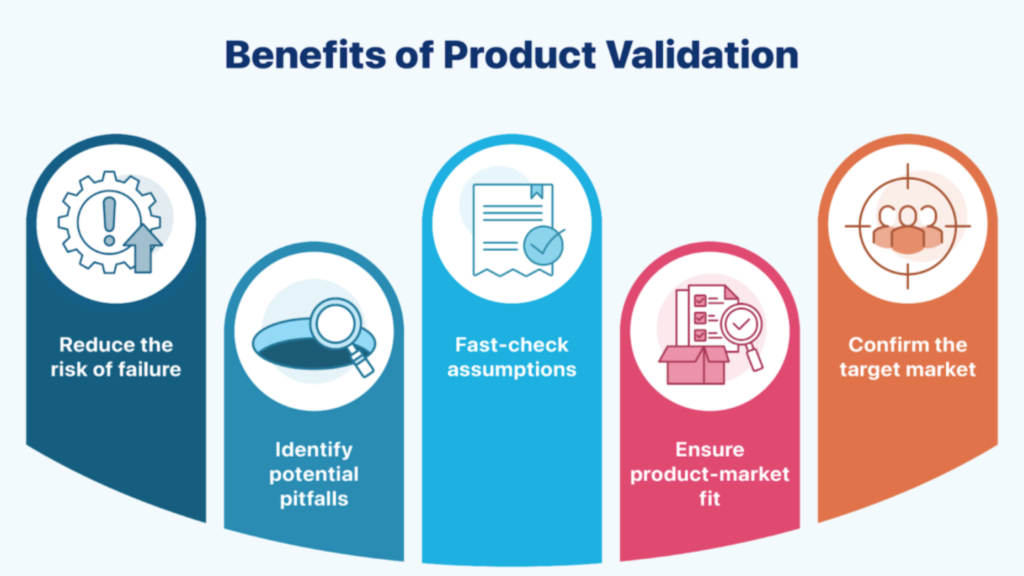
Once you have product ideas, you need to validate that customers are actually searching for them. This is where product research tools become essential.
For Pakistani sellers, the best options are:
| Tool | Cost | Best For |
|---|---|---|
| Zambeel | Affordable, PKR payment | Comprehensive research, local support |
| Helium 10 | Expensive, USD | Advanced features, multiple markets |
| Jungle Scout | Expensive, USD | Web app + extension |
| AMZScout | Moderate, USD | Budget international option |
Key metrics to validate:
| Metric | Target | Tool to Use |
|---|---|---|
| Monthly search volume | 1,000+ | Zambeel keyword tool |
| Number of competitors | Under 30 | Zambeel extension |
| Top competitor reviews | Under 300 | Zambeel extension |
| Price range | $15–$50 | Zambeel extension |
Step 3 – Analyze the Competition

Competition analysis is where most sellers fall short. They look at a category, see many sellers, and assume it’s impossible. Or they see few sellers and assume it’s easy.
The truth is more nuanced. You need to analyze quality of competition, not just quantity.
Use Zambeel’s Chrome extension to analyze top competitors:
| Factor | What to Look For |
|---|---|
| Listing quality | Are images professional? Is copy compelling? |
| Review patterns | Are reviews organic or incentivized? |
| Recent launches | Have new sellers entered successfully? |
| Brand presence | Are established brands dominating? |
| Price stability | Are competitors constantly discounting? |
The ideal competitor landscape:
- 5–15 established sellers
- None with overwhelming brand dominance
- Listings with room for improvement
- Consistent pricing (not race-to-bottom)
Step 4 – Calculate Profitability
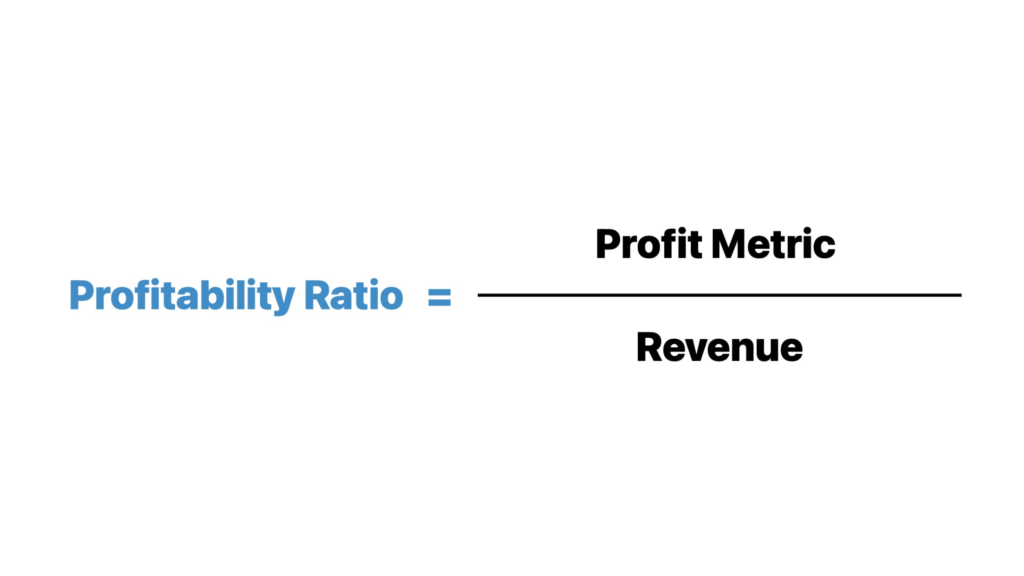
A product with high demand and low competition is worthless if you can’t make money selling it.
For Pakistani sellers, profitability calculation must include:
| Cost Factor | Typical Range | Notes |
|---|---|---|
| Product cost | Varies | Include manufacturing and any customization |
| Shipping to US | $3–$8/kg | Sea freight vs air freight |
| Amazon referral fee | 15% | Category-dependent |
| FBA fulfillment fee | $2.50–$5 | Weight and size-based |
| PPC estimate | 15–20% of revenue | First months may be higher |
| Currency conversion | 3–5% | Bank charges and exchange spread |
| Customs/duties | Varies | If shipping directly from Pakistan |
The Golden Rule: Aim for at least 30% net profit margin after all costs. Less than that, and you have little room for price competition, PPC optimization, or unexpected expenses.
Step 5 – Make the Final Decision

After completing steps 1–4, you should have a shortlist of products that meet all your criteria. The final step is to apply the “Gut Check”:
- Do you genuinely care about this product category?
- Can you create a better listing than competitors?
- Do you have the capital to order initial inventory?
- Is there room to expand (variations, accessories)?
The best product is one you’re genuinely interested in. You’ll spend countless hours researching, sourcing, and marketing it. Passion for the niche will sustain you through the inevitable challenges.
The “Golden 8” Criteria for Pakistani Sellers
Through years of experience and analysis of thousands of successful product launches, experts have identified eight key criteria that separate winning products from losers .
1. High Demand
Your product must have sufficient monthly searches. Use Zambeel’s keyword tool to verify that core keywords have at least 1,000+ monthly searches . Without demand, even the best product won’t sell.
2. Low to Moderate Competition
Analyze the top 10 competitors for your target keywords. Look for:
- Review counts under 300 (makes it easier to compete)
- Listing quality that you can improve (poor images, weak copy)
- Brand recognition that isn’t overwhelming
3. Price Point Between $15–$50
Products under $15 have razor-thin margins after Amazon fees. Products over $50 face higher customer expectations and more returns. The $15–$50 sweet spot offers the best balance of affordability and profitability.
4. Room for Improvement
If the top competitors have perfect listings, you’ll struggle to stand out. Look for products where you can clearly improve:
- Better images
- More detailed descriptions
- Improved packaging
- Additional features
5. Lightweight and Compact
FBA fees are based on size and weight. A product that’s small and light (under 2 pounds, under 18 inches in any dimension) will have significantly better margins than bulky alternatives.
6. Not a Fad
Verify that demand is consistent, not seasonal or declining. Fad products can generate quick money but leave you with worthless inventory when the trend passes.
7. No Major IP Issues
Search for patents and trademarks before investing. A product that infringes on existing intellectual property can get your listing removed and your account suspended.
8. Passion Alignment
You’ll spend months—potentially years—with this product. Choose something you genuinely care about. Your enthusiasm will translate into better marketing, customer engagement, and long-term commitment.
Real-World Case Study: Pakistani Seller Finds Success with Zambeel
The Seller
Fatima Khan, a 32-year-old former teacher from Karachi, started her Amazon FBA journey in early 2025 with limited capital and no prior ecommerce experience. She had Rs. 400,000 saved and wanted to build a business that could replace her teaching salary.
The Challenge
Fatima had researched Amazon selling for months but was overwhelmed by the product research process. She couldn’t afford Helium 10 and didn’t know where to start.
The Solution
Fatima discovered Zambeel through a Facebook group and started with their free Chrome extension. She spent three weeks:
- Learning the tool: Watching Zambeel tutorials on YouTube
- Exploring categories: Using the extension to analyze products in home, kitchen, and pet supplies
- Building a spreadsheet: Tracking promising products and their metrics
The Winning Product
Fatima found a kitchen gadget in the “as seen on TV” category with:
- Monthly sales: 380+ units
- Top competitor reviews: 156 (achievable)
- Price point: $22.99
- Her cost after all expenses: $10.50 landed
- Estimated profit margin: 35%
Her analysis with Zambeel:
| Metric | Value | Verdict |
|---|---|---|
| Monthly search volume | 2,400 | ✅ High demand |
| Number of competitors | 12 | ✅ Manageable |
| Top seller reviews | 156 | ✅ Achievable |
| Price | $22.99 | ✅ Sweet spot |
| Weight | 1.2 lbs | ✅ Lightweight |
The Result
Fatima launched in April 2025 with 300 units. By August, she was consistently selling 450+ units per month and had expanded to three variations. Her initial investment was recovered within 90 days, and she quit her teaching job in December 2025.
Fatima’s advice: “Zambeel gave me confidence. Without the data, I would have been guessing. With Zambeel, I knew I had a winner before I placed my first order. The Rs. 10,000 I spent on the tool saved me from losing Rs. 400,000.”
Common Product Hunting Mistakes Pakistani Sellers Make
Mistake 1 – Ignoring Currency Conversion Costs
The error: Calculating profits in dollars without accounting for Pakistani rupee fluctuations and bank charges.
The consequence: Your “profitable” product actually loses money when converted back to PKR.
Avoidance: Always model currency conversion costs (typically 3–5%) and build in a buffer for exchange rate fluctuations.
Mistake 2 – Falling for Low-Price Traps
The error: Assuming products under $10 will be profitable because they’re cheap.
The consequence: After Amazon fees (which are percentage-based), there’s simply no margin left.
Avoidance: Stick to the $15–$50 sweet spot for your first products.
Mistake 3 – Ignoring Shipping Costs
The error: Only calculating product cost, not the full landed cost including shipping.
The consequence: Your actual cost is 20–50% higher than you thought.
Avoidance: Get accurate shipping quotes from freight forwarders before finalizing your product decision.
Mistake 4 – Copying Competitors Blindly
The error: Seeing a successful product and assuming you can replicate it.
The consequence: You enter a saturated market without any differentiation.
Avoidance: Use Zambeel to find gaps—products with demand but weaker competition.
Mistake 5 – Ignoring Seasonal Patterns
The error: Launching a seasonal product in the wrong month.
The consequence: You pay storage fees for months while waiting for demand.
Avoidance: Check sales trends in Zambeel. Look for products with consistent, year-round demand.
Mistake 6 – Not Validating Supplier Reliability
The error: Finding a great product but sourcing from an unverified supplier.
The consequence: Quality issues, delayed shipments, and negative reviews.
Avoidance: Order samples before placing bulk orders. Use Alibaba’s trade assurance when possible.
Mistake 7 – Undercapitalization
The error: Starting with too little money to sustain the business through initial months.
The consequence: You run out of money before your product gains traction.
Avoidance: Budget for 3–6 months of PPC costs and have a financial cushion.
Expert Tips and Best Practices for 2026
1. Start with Free Tools
Zambeel offers free versions of their Chrome extension. Use them extensively before committing to a paid plan. Test different approaches and see which features matter most for your workflow.
2. Join the Community
Facebook groups like “Amazon Sellers Pakistan” and “Zambeel User Community” are invaluable resources. Learn from others’ experiences, ask questions, and share your own insights.
3. Think Like a Customer
The best products solve real problems. Before opening any tool, spend time reading reviews in your target category. What are customers complaining about? What features do they wish existed?
4. Use the “10x” Review Analysis
Read at least 10 reviews for top competitors—both positive and negative. Look for patterns:
- What do customers love? (Double down on these features)
- What do they hate? (Fix these problems)
- What features are mentioned repeatedly? (Customers are telling you what they want)
5. Set Hard Filters and Stick to Them
Before you start, define your non-negotiable criteria:
- Minimum monthly revenue: $10,000
- Maximum review count: 300
- Minimum price: $18
- Maximum weight: 2 pounds
When a product falls outside these filters, move on—even if it looks attractive.
6. Consider the Whole Customer Journey
Product hunting isn’t just about the item itself. Think about:
- How will customers use it?
- What accessories or complementary products could you sell?
- What content will you need for marketing?
- What will the unboxing experience be?
7. Track Everything
Maintain a spreadsheet of every product you research, including:
- ASINs
- Key metrics
- Why you passed or proceeded
- Notes for future reference
This becomes an invaluable reference over time.
8. Be Patient
The perfect product won’t appear in your first hour of searching. Plan to spend 20–40 hours researching before making a decision. The time invested upfront pays dividends in avoided failures.
9. Validate with Multiple Sources
Don’t rely on a single metric or tool. Cross-reference Zambeel data with Amazon’s best seller rankings and your own manual research.
10. Think About Long-Term Potential
A good product today might be obsolete tomorrow. Consider whether your product has staying power—or if it’s just a passing trend.
Frequently Asked Questions (FAQ)
1. What is product hunting in Pakistan?
Product hunting in Pakistan refers to the systematic process of researching and analyzing products to sell on Amazon, using tools and strategies tailored for Pakistani sellers. It involves evaluating demand, competition, profitability, and market trends before investing in inventory .
2. What is the best product research tool for Pakistani sellers?
Zambeel is Pakistan’s leading product research tool, designed specifically for local sellers. It offers affordable pricing in PKR, local payment options, and comprehensive features including a Chrome extension, product database, keyword research, and profit calculator .
3. How much capital do I need to start Amazon FBA in Pakistan?
A realistic budget for your first product is Rs. 300,000–500,000, including product cost, shipping, Amazon fees, and initial PPC campaigns. Having additional cushion for unexpected expenses is recommended .
4. What are the “Golden 8” criteria?
The Golden 8 criteria are: high demand (1,000+ searches), low competition (under 300 reviews), price $15–$50, room for improvement, lightweight/compact, not a fad, no IP issues, and passion alignment .
5. Can I do Amazon FBA part-time in Pakistan?
Yes. Many Pakistani sellers start part-time while maintaining full-time jobs. However, product hunting and initial launch require dedicated focus. Once the product is running, part-time management becomes easier .
6. What categories should Pakistani sellers avoid?
Beginners should avoid clothing (high returns), electronics (patent issues), food (regulations), and hazardous materials (shipping restrictions). Start with home, kitchen, pet, or sports products instead .
7. How do I handle currency conversion for Amazon profits?
Work with banks or exchange companies that offer competitive rates. Factor 3–5% for conversion costs into your profit calculations. Consider maintaining a US dollar account to reduce conversion frequency .
8. How long does product hunting take?
Plan to spend 20–40 hours researching before committing to a product. This includes brainstorming, data analysis, competitor review, and financial modeling. Rushing this phase is the biggest mistake beginners make .
9. What if my product fails?
Even with great research, some products fail. Limit risk by:
- Starting with small inventory orders (100–300 units)
- Testing with PPC before ordering bulk
- Having a backup plan (bundling, discounting, or liquidating)
10. Do I need a US bank account for Amazon?
Amazon deposits payments to US bank accounts. Pakistani sellers typically use payment services like Payoneer or Hyperwallet that provide virtual US accounts and convert to PKR .
11. How do I find reliable suppliers?
Use Alibaba and filter for suppliers with:
- Trade Assurance
- Gold Supplier status
- Positive reviews
- Quick response times
- Sample availability
Always order samples before placing bulk orders.
12. What is the biggest mistake Pakistani sellers make?
The biggest mistake is undercapitalization—starting with too little money to sustain the business through the initial months when sales are building and PPC costs are high .
13. Can I sell on Amazon from Pakistan legally?
Yes. Amazon officially opened registration for Pakistani sellers in May 2021 . You’ll need to register as a professional seller, provide tax information, and comply with Amazon’s policies .
14. What is Zambeel and how does it help?
Zambeel is Pakistan’s first Amazon product research tool. It helps sellers find winning products through:
- Chrome extension for instant data
- Product database with filters
- Keyword research tool
- Competitor analysis
- Profit calculator
15. How accurate is Zambeel data?
Zambeel’s estimates are based on historical sales data and Amazon’s best seller rankings. While not 100% precise (no tool is), they are reliable for comparing opportunities and identifying trends .
16. What is the best price range for Amazon products?
The sweet spot is $15–$50. Products under $15 have thin margins; products over $50 face higher customer expectations and return rates .
17. How do I avoid patent infringement?
Search the USPTO database, check for “Patent Pending” claims on competitor listings, and consider consulting an IP attorney for high-investment products .
18. What shipping method should I use?
For first products, use air freight (faster, lower minimums). Once you have proven products, consider sea freight for better margins on larger orders. Work with Pakistani freight forwarders who understand Amazon requirements.
19. How many products should I research before choosing one?
Serious sellers research 50–100 potential products before selecting one to launch. This ensures you’ve seen enough options to make an informed decision and aren’t settling for the first decent opportunity.
20. What is the future of Amazon selling in Pakistan?
The future is bright. As more Pakistani sellers succeed, the ecosystem grows stronger with more local services, better freight options, and increased knowledge sharing. Product hunting tools like Zambeel will continue to level the playing field .
Conclusion – From Dream to Reality
Product hunting in Pakistan is no longer the mystery it once was. With local tools like Zambeel, supportive communities, and a growing ecosystem of services, Pakistani sellers have everything they need to compete on Amazon’s global stage.
The framework is clear:
- Brainstorm ideas based on interests and market research
- Validate demand with Zambeel’s keyword tools
- Analyze competition using the Chrome extension
- Calculate profitability including all local costs
- Apply the Golden 8 criteria
- Make your decision with confidence
The mindset matters:
- Be patient—the right product is worth the search
- Be disciplined—stick to your criteria even when tempted
- Be curious—learn from every product you research
- Be systematic—document everything and refine your process
The resources are available:
- Zambeel for affordable, local product research
- Facebook communities for support and learning
- Freight forwarders for shipping to Amazon
- Prep centers for quality checks and labeling
- Payment services for receiving dollars
The opportunity is real:
- Thousands of Pakistani sellers are already succeeding
- The US Amazon market is massive and growing
- Local tools have leveled the playing field
- Success leaves clues—learn from those who’ve done it
The difference between successful Pakistani sellers and those who give up isn’t luck. It’s preparation. It’s the hours spent learning product hunting. It’s the discipline to say “no” to tempting but flawed products. It’s the patience to wait for the right opportunity.
With the framework, tools, and community support outlined in this guide, you have everything you need to join the ranks of successful Pakistani Amazon sellers.
Now, go find your winning product.