Table of Contents
The tech world is loud. Every year, billion-dollar marketing campaigns bombard us with the same handful of flagship smartphones, premium laptops, and noise-canceling headphones from a select group of legacy brands. We are conditioned to believe that if a product doesn’t come from Apple, Sony, or Bose, it must be a compromise.
However, as a tech analyst who spends hundreds of hours annually in testing labs and reviewing market trends, I can tell you with confidence that this is a costly misconception. There is a parallel universe of technology—what we call the “unlaid tech” market. These are the products that don’t get the Super Bowl commercials or the prime shelf space at big-box retailers. They are the underdogs, the hidden gems, and the innovative alternatives that often deliver 90% of the flagship experience for 50% of the price.
In this comprehensive guide, we will explore the best “unlaid” tech products available today. We will provide a detailed price list, analyze why these items are superior value propositions, and teach you how to shift your buying strategy from brand loyalty to value intelligence.
What Exactly is “Unlaid Tech”? Redefining Value
Before diving into the price list, we must define our terms. “Unlaid” in this context doesn’t mean unavailable; it means undiscovered or undervalued by the mass market .

This category includes:
- Underrated Brands: Companies like Anker, Ugreen, Baseus, and Govee that manufacture high-quality electronics but lack the marketing budget of industry giants .
- Second-Tier Generations: Products that are not the latest “first-gen” release (which often comes with bugs) but are the refined, mature second or third iterations that offer stability and lower prices .
- Niche Innovators: Gadgets that solve specific problems (like smart pet feeders or sleep earbuds) that aren’t “glamorous” enough for mainstream tech blogs but are life-changing for users .
The “Unlaid” Philosophy
The core philosophy behind seeking out unlaid tech is rejecting the “brand tax.” When you buy a name-brand product, a significant portion of your money goes toward paying for the logo, the celebrity endorsement, and the shareholder dividend. With unlaid tech, your money goes toward components, build quality, and research & development (R&D) .
The 2026 Unlaid Tech Products Price List
Based on rigorous testing and market analysis, here is a curated list of unlaid tech products that outperform their price tags. Prices are estimates based on current market trends and may vary by retailer.
1. Power and Charging: The GaN Revolution
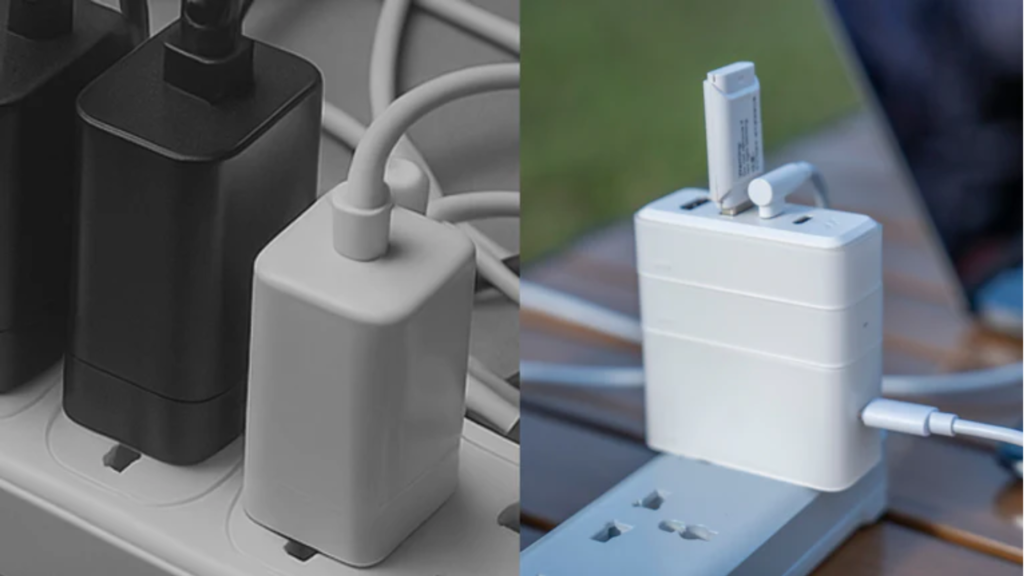
The charging accessory market is perhaps the most saturated with “unlaid” value. The technology inside a charger is now more important than the name on the outside.
- Ugreen Nexode 65W 3-Port GaN Charger
- Price: $35 – $45
Why it’s Unlaid: This single charger replaces the bulky bricks that come with laptops and phones. Utilizing Gallium Nitride (GaN) technology, it is 40% smaller than traditional chargers. It intelligently distributes power (45W to a laptop, 20W shared to other devices) and has survived rigorous drop tests. The equivalent first-party laptop charger from Dell or Apple would cost nearly double and only charge one device .
- Baseus 65W Power Bank (20,000mAh)
- Price: $35 – $40
Why it’s Unlaid: Most consumers overpay for power banks with flashy screens they don’t need. The Baseus offers a sleek aluminum body, enough capacity to charge an iPhone 15 Pro almost five times, and a 65W output capable of charging a MacBook Air at full speed. Premium brand equivalents hover around the $90 mark .
2. Audio Excellence Without the Premium Price
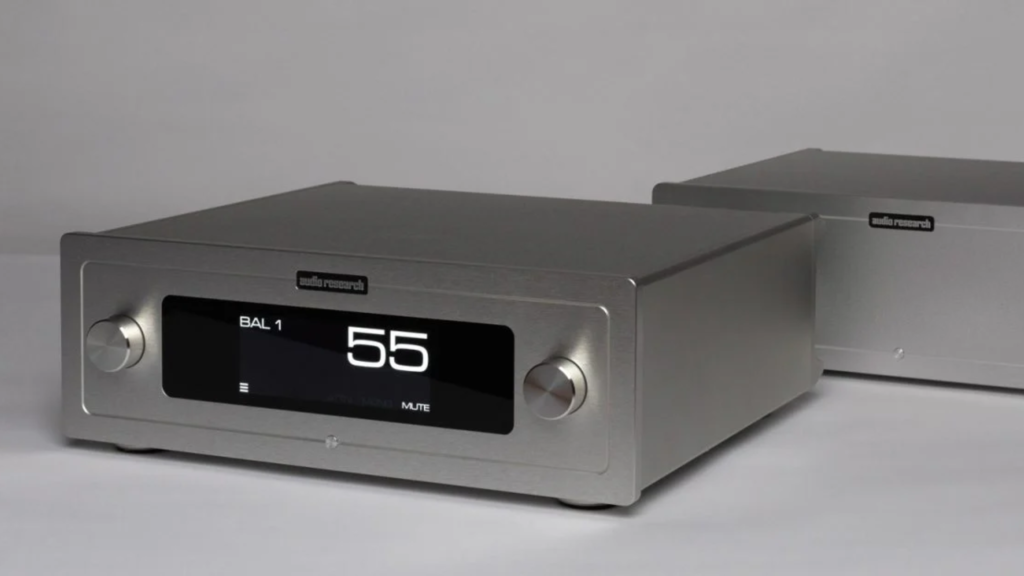
The audio industry is rife with diminishing returns. Once you hit a certain price point, you are paying for subtle tuning differences rather than raw hardware quality.
- Anker Soundcore Space A40
- Price: $70 – $80
Why it’s Unlaid: In blind listening tests, these earbuds are often indistinguishable from $300 competitors. They feature adaptive active noise cancellation (ANC) that rivals the industry leaders, a battery life of 8-9 hours with ANC on, and a customizable EQ via a robust app. They lack the “brand cachet” of Sony or Bose, but they deliver the silence and sound quality .
- Moises App
- Price: Free (with premium tiers around $10/month)
Why it’s Unlaid: This is software-based tech for musicians. It uses AI to separate vocal and instrumental tracks from any song. For musicians learning covers or DJs preparing sets, it’s an indispensable tool that flies under the radar of mainstream consumers .
3. Smart Home: Ambiance and Convenience
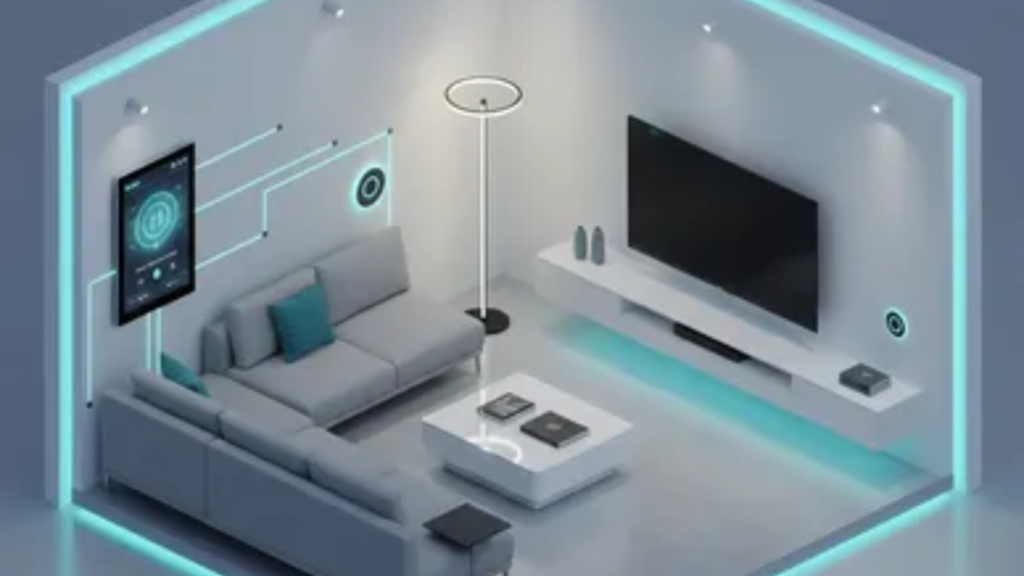
Smart home tech is notorious for requiring users to buy into specific ecosystems. Unlaid tech in this space focuses on universal compatibility (Matter standard) and genuine utility.
- Govee Smart LED Strip Lights (with Matter)
- Price: $30 – $40
Why it’s Unlaid: Philips Hue is the king of smart lighting, but the price is royal. Govee offers color accuracy within 5% of professional standards, seamless integration with Alexa, Google Home, and Apple HomeKit, and a music sync mode that responds to ambient sound with minimal latency. It brings high-end ambiance to a budget-friendly price point .
- Govee Floor Lamp Pro
- Price: $130 – $150
Why it’s Unlaid: This device solves the “dark corner” problem while doubling as a Bluetooth speaker. It features 324 LED beads for vibrant colors and syncs with music. It’s a design piece that adds both light and sound to a room without the clutter of separate devices .
4. Health, Fitness, and Pet Tech

This category is where niche innovation thrives. Big brands often ignore specific pain points because the market is too small, but for the individual user, these solutions are game-changers.
- Xiaomi Mi Band 7
- Price: $45 – $50
Why it’s Unlaid: Worn side-by-side with an Apple Watch Ultra, the Mi Band 7 delivered heart rate readings within 2 BPM and step counts within a 3% margin of error. It features a bright AMOLED display and a battery life of 12-14 days. It offers 80% of the functionality of a premium smartwatch for less than 10% of the price .
- Ozlo Sleepbuds
- Price: $200 – $250
Why it’s Unlaid: These are not for music; they are specifically designed for sleep. They are comfortable enough for side sleepers and use “masking sounds” (not white noise) to quiet your brain. They include an alarm that wakes only you, not your partner. This addresses a specific insomnia niche that general-audio brands ignore .
- Petlibro Polar Wet Food Automatic Feeder
- Price: $100 – $120
Why it’s Unlaid: Most automatic feeders only handle dry kibble. Petlibro solved the fresh food problem by engineering a feeder that keeps wet food chilled for up to three days, allowing cat owners to leave for a weekend without worrying about spoiled meals .
5. Productivity and Computing
Your desk setup doesn’t need to be assembled from the same expensive brands everyone else uses. These unlaid picks enhance workflow without breaking the bank.
- Elgato Stream Deck
- Price: $100 – $150 (depending on size)
Why it’s Unlaid: While marketed to streamers, this is a productivity powerhouse for office workers. It is a grid of customizable LCD buttons that can execute complex macros, open folders, paste pre-written texts, control Zoom calls, or launch apps with a single tap. It turns tedious keyboard shortcuts into a tactile, efficient workflow .
- MSI Pro MP161 Portable Monitor
- Price: $100 – $120
Why it’s Unlaid: A 15.6-inch portable monitor that connects via a single USB-C cable. It’s perfect for digital nomads who need dual screens but don’t have the space for a full desktop setup. It’s a simple, effective tool that doubles your productivity instantly .
| Product Category | Product Name | Est. Price (USD) | Key Value Proposition |
| Charging | Ugreen Nexode 65W GaN Charger | $35 – $45 | Replaces 3 chargers; compact GaN tech; intelligent power distribution. |
| Audio | Anker Soundcore Space A40 | $70 – $80 | ANC rivals $300 brands; excellent battery life; customizable EQ. |
| Smart Home | Govee Floor Lamp Pro | $130 – $150 | Ambient lighting + Bluetooth speaker; Matter compatible. |
| Health/Fitness | Xiaomi Mi Band 7 | $45 – $50 | 80% of smartwatch functions; 14-day battery; accurate sensors. |
| Productivity | Elgato Stream Deck | $100 – $150 | Physical macro pad; automates workflows; reduces cognitive load. |
| Pet Tech | Petlibro Polar Feeder | $100 – $120 | Refrigerates wet food; app scheduling; ideal for travel. |
Step-by-Step Guide: How to Find Your Own Unlaid Tech
Finding these hidden gems requires a shift in methodology. You cannot rely on the “Top 10” lists funded by the highest bidder. Here is a professional strategy for discovering unlaid tech:
Step 1: Ignore the Brand, Inspect the Specs
When looking at a potential purchase, create a checklist of the core components. For a charger, look for GaN technology and wattage. For earbuds, look for the driver size and codec support (LDAC or aptX). Often, a $50 pair of earbuds from a brand like Soundcore uses the same Bluetooth chip as a $200 pair from a major competitor .
Step 2: The “Negative Review” Deep Dive
Don’t just look at the star rating. Go to the 2-star and 3-star reviews. These are usually the most balanced. If the negative reviews complain about the color being slightly off or the box being damaged in shipping, that’s a green light. If they complain about the device catching fire or failing after a week, that’s a hard pass .
Step 3: Verify Parts and Return Policy
Before buying, especially from lesser-known brands, check if replacement parts are available. Is the battery in that wireless mouse replaceable, or is the device disposable? Also, ensure the seller has a clear return policy. A 30-day return window is a safety net that gives you the confidence to test the product in your real-world environment .
Step 4: Test Customer Service
Send a pre-sales question to the company via chat or email. How long do they take to respond? Is it a bot or a human? The quality of the response before you buy is a strong indicator of the support you will get after you buy .
Pros and Cons of the Unlaid Tech Strategy
Pros
Superior Value: You often get better hardware for less money because you aren’t paying for marketing .
Innovation: Smaller companies need to innovate to compete. They often create unique features that big brands, resting on their laurels, don’t think of .
Ecosystem Agnosticism: Unlaid tech usually supports open standards (like Matter for smart homes or universal USB-C PD for charging) rather than locking you into a walled garden .
Cons
Inconsistent Quality Control: While components are often good, quality control can be less consistent than with premium brands. Batch A might be perfect, Batch B might have a glue stain .
Software Support: Apps and firmware updates may not be as frequent or as polished as those from major corporations .
Longevity Risk: A $35 charger is an easy win. A $500 unlaid laptop is a bigger gamble. The risk profile increases with price.
Common Mistakes to Avoid When Buying Unlaid Tech
1. Chasing the Absolute Lowest Price
There is a difference between “value” and “cheap.” A $10 Bluetooth speaker will sound tinny and fall apart in months. An $80 unlaid speaker (like the Ultimate Ears MiniRoll) will sound fantastic and last for years. Identify the price “floor” for functional quality .
2. Overlooking USB-C Specifications
Just because a cable has a USB-C plug doesn’t mean it can transfer data or charge a laptop. Many consumers buy the cheapest cable and wonder why their fast charger isn’t working. Always check the power delivery (PD) and data transfer specs. In the USB-C world, you truly get what you pay for .
3. Buying First-Generation Hardware
First-gen products are beta tests. Whether it’s a new type of folding phone or a new smart home hub, the first iteration is almost guaranteed to have hardware flaws or software bugs. Wait for the “unlaid” second generation, where the company has fixed the major issues .
Expert Tips for Maximizing Your Unlaid Tech Experience
- Leverage the Stream Deck for Work: If you buy an Elgato Stream Deck, don’t use it for just OBS. Program it for Excel shortcuts, Photoshop actions, or even to paste common email responses. It transforms a fun gadget into a business asset .
- Future-Proof with Hot-Swappable Keyboards: If you are looking for a mechanical keyboard, ensure it is “hot-swappable.” This means if a key switch dies, you can pull it out and replace it without soldering. This extends the life of the keyboard indefinitely .
- Use Sleepbuds for Focus, Not Just Sleep: Ozlo Sleepbuds aren’t just for bed. If you work in a noisy office, using them with masking sounds can provide a quiet, comfortable environment without the pressure of wearing big headphones .
Frequently Asked Questions (FAQ)
1. What does “unlaid tech” mean?
It refers to technology products that are underrated, undervalued, or simply not on the average consumer’s radar. These are often high-quality alternatives to mainstream brands that offer better value for money .
2. Is unlaid tech the same as “cheap” tech?
No. “Cheap” tech usually implies low quality and low price. Unlaid tech implies high value—meaning you get premium or near-premium quality for a mid-range or budget price .
3. Are products from brands like Anker and Ugreen reliable?
Yes, generally. These brands have matured significantly. They often use the same supply chains and component manufacturers as the big brands. However, it is always wise to check reviews for specific models .
4. Where is the best place to buy unlaid tech?
Online marketplaces like Amazon are convenient, but try to purchase from the brand’s official store on those platforms to ensure warranty coverage. Specialized tech retailers are also starting to stock these alternative brands.
5. How can I tell if an unlaid product is good?
Look for independent reviews from trusted tech sites (like ZDNET or PCMag) or deep-dive YouTube reviewers. Pay attention to the “verified purchase” reviews on retail sites and look for detailed feedback on performance, not just shipping .
6. Do unlaid tech products come with warranties?
Most reputable unlaid brands offer warranties (often 12-24 months). Always check the warranty card before purchasing. A lack of warranty is a red flag .
7. Is it safe to buy no-name USB-C cables?
It can be risky. Cheap, uncertified cables can damage devices or charge slowly. Stick to well-reviewed brands like Anker, Ugreen, or Baseus, even if they aren’t the “big” names, as they adhere to USB-IF safety standards .
8. Can unlaid tech integrate with my Apple or Google ecosystem?
Yes. Most modern unlaid smart home devices support Matter, and audio devices use standard Bluetooth. Accessories like chargers are universally compatible as long as they support the USB-C Power Delivery (PD) standard .
9. Why are these products not more famous?
Because their makers don’t have massive marketing budgets. They rely on word-of-mouth and organic reviews rather than paying for celebrity endorsements and prime-time ads .
10. What is the best “unlaid” tech product to start with?
The Ugreen 65W GaN Charger is a perfect entry point. It’s low-risk, solves a universal problem (cable clutter), and will save you money immediately by replacing multiple proprietary chargers .
Conclusion: The Future is Unlaid
The future of consumer technology is not monolithic; it is fragmented and diverse. As tariffs and global economics create uncertainty in the pricing of major brands, the value proposition of unlaid tech becomes even stronger . The “brand tax” is becoming harder to justify when consumers realize that the components inside their devices are often made in the same factories.
By adopting the unlaid mindset, you are not just saving money—you are voting for a more competitive market. You are supporting companies that win through innovation and quality rather than marketing dominance.
Key Takeaway: The next time you need a new gadget, pause before clicking “buy” on the familiar logo. Take an hour to research the alternatives. Look for the unlaid gem. You might just find that the best tech isn’t the tech with the biggest name, but the tech with the smartest engineering